
For almost 50 years, Plansmith has helped financial institutions become better organizations through improved planning. In that time, we've heard a lot of industry chatter - much of it a load of, dare we say, bologna.

For almost 50 years, Plansmith has helped financial institutions become better organizations through improved planning. In that time, we've heard a lot of industry chatter - much of it a load of, dare we say, bologna.

For most banks and credit unions the annual budgeting process is just that, a “process” that is far from looked forward to.
The CFO gathers data and input from market managers and department heads. The President and CEO then hand down more information as well as targets and objectives that rarely align with the other information. It's then the CFO's and finance team's job to cobble it all together, make it balance, and deliver results to the Board for approval.
As anyone who has been through it knows, the process itself is not cut and dry. To be honest, it can be downright exhausting.

It’s halfway through the year and a great time to prepare for what’s to come. I've picked the top 3 Lunch 'n Learns you should review before heading into the 2020 planning season.
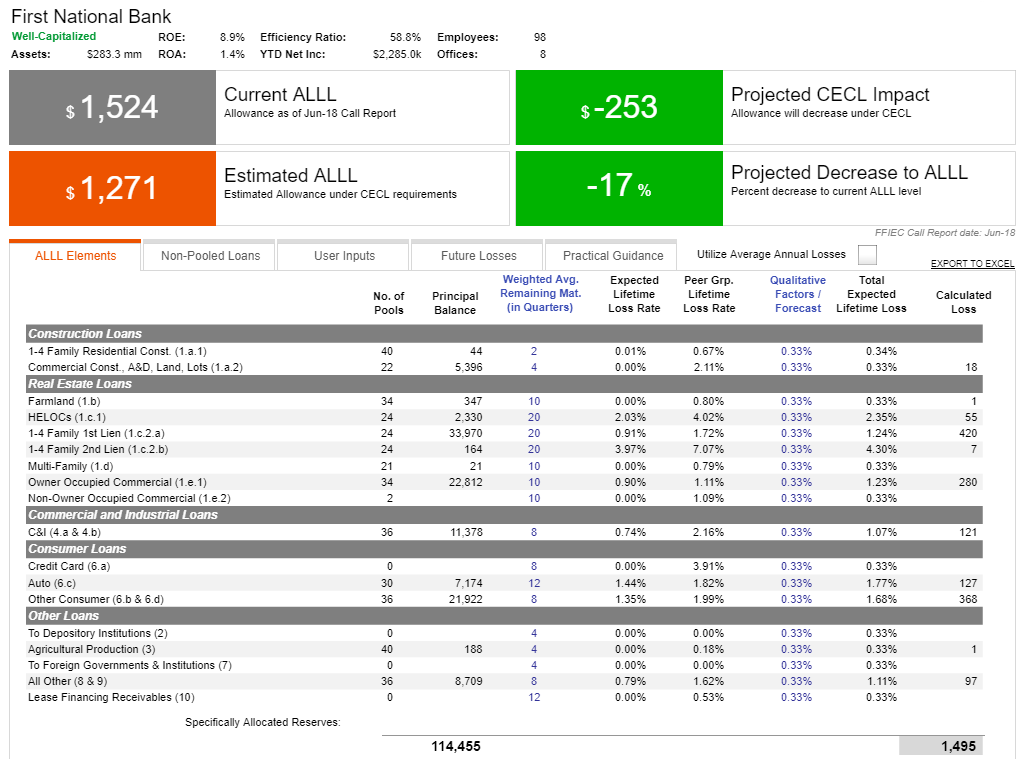
I watched the CECL WARM Method webinar provided by FASB and the regulatory agencies. I thought the webinar provided a very thorough review of the Weighted-Average Remaining Maturity (WARM) Method. If you haven’t had a chance to watch it yet, click here to view it now.
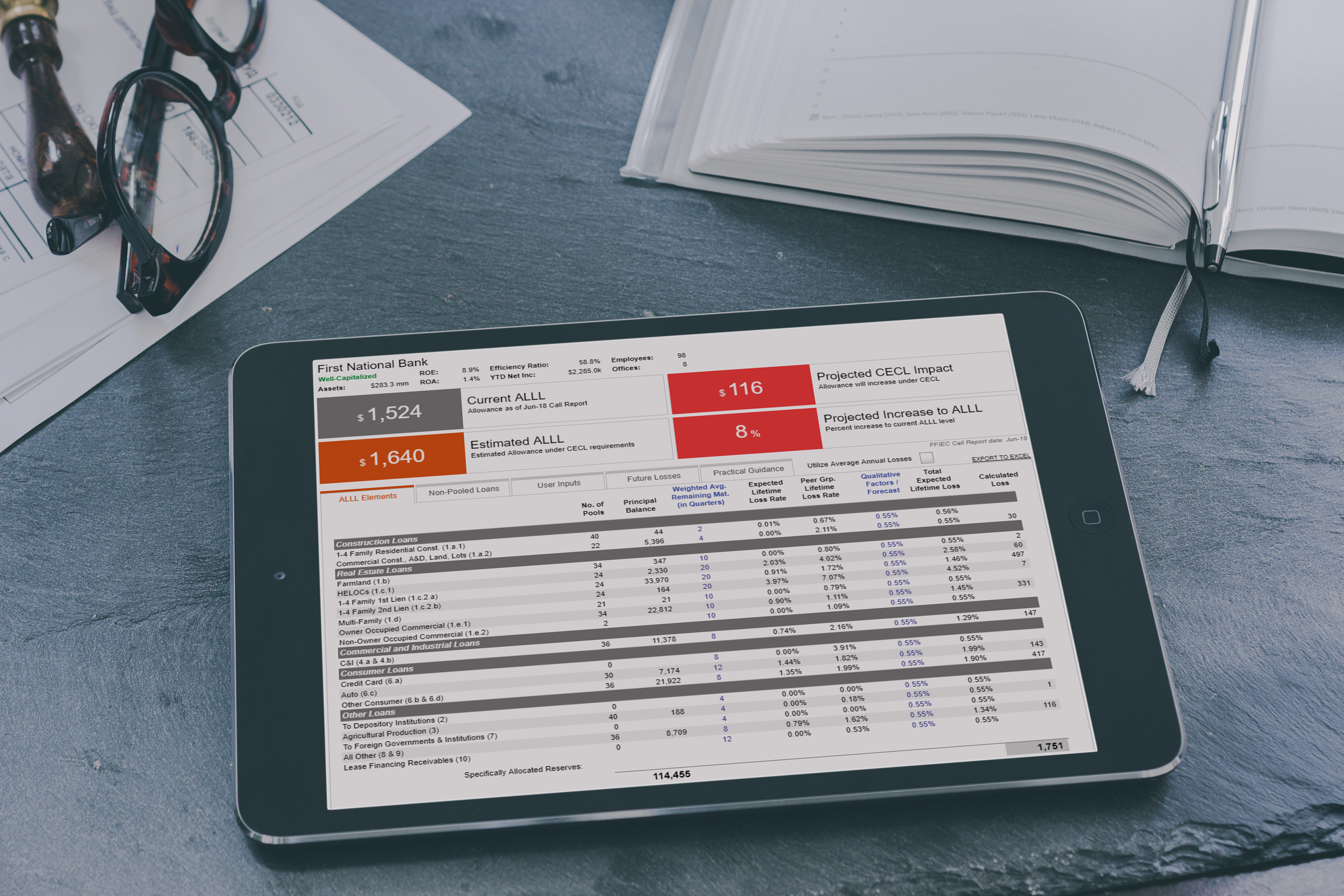
FASB Approves WARM Methodology for CECL
Community banks and credit unions looking for practical advice on how to implement the new CECL standard received a helping hand from the agency that authored the oft dreaded accounting rule. In a January 2019 Staff Q&A, the Financial Accounting Standards Board (FASB) stated that the weighted average remaining maturity (WARM) method is an acceptable method for less complex financial institutions to estimate expected credit losses. The FASB Q&A Comment also provided a couple different examples on the application of the WARM methodology to comply with CECL, and these examples do a good job of explaining the mathematics behind the calculation. If you haven’t done so already, you can read the FASB Q&A Comment here.

Regulatory compliance costs are skyrocketing!
The focus of safety and soundness examinations continues to move towards asset/liability management and ensuring financial institutions are complying with the guidance issued in the last several years.
When I left the banking industry 6 years ago to join Plansmith, one of my toughest adjustments was working with clients and prospects remotely. Thanks to technology, I can meet with a bank in Maine in the morning and another in Washington that afternoon. Conference lines and GoToMeeting webinars allow for more, faster, and better methods of doing business… or do they?

As you may have seen, in February we did a webinar on recent changes in the way Regulators are evaluating funding risk and the new measurements they are using to assign the “L”-Liquidity rating. As we noted, their focus has been on brokered deposits, “potentially volatile funding sources,” and “high rate deposits.” We pointed out numerous weaknesses in the way these funding sources are being assessed and limited.

The purchase of an asset liability management (ALM) system presents a problem to many bankers. Often the process begins with the creation of a checklist of features and functions then progresses to comparing vendors. The vendor with the highest "score" wins. While this may be a good start, there are dimensions to the problem that this ignores, specifically the quality and significance of the features identified.

As Plansmith’s Director of Client Education, I’m often asked which continuing education programs should I attend and why?
One of my favorite courses that I always recommend is our Compass Advanced Coaching event. Don’t let the title scare you, it’s a great fit for a wide variety of experience levels.